
Coverage Built for
Florida Boating Exposure
Watercraft Insurance in Polk County for boat owners navigating liability, physical damage, and on-water incidents
Florida's extensive lake systems and proximity to coastal waters make Polk County a region where boat ownership creates specific liability and physical damage exposure that homeowners policies don't adequately cover. Watercraft insurance provides protection for your boat, motor, trailer, and on-board equipment while also covering your liability if your operation causes injury or property damage to others. Thomas Advisory Services structures watercraft policies for Polk County boat owners that account for freshwater lake use, trailer transport, and seasonal storage patterns common in Central Florida, where hurricane preparation and named storm deductibles significantly affect coverage decisions.
The policy design process evaluates your boat's agreed value or actual cash value, determines appropriate liability limits based on vessel size and use, and establishes whether you need coverage for towing, on-water assistance, and personal effects kept aboard. Florida requires liability coverage only for vessels with motors over a certain horsepower in some counties, but that minimum rarely provides adequate protection; a serious boating accident causing injury can generate liability claims exceeding five hundred thousand dollars, far beyond typical minimum requirements.
Schedule a watercraft policy review to confirm your boat, motor, and liability exposure are protected during on-water use and storage.
Our Services
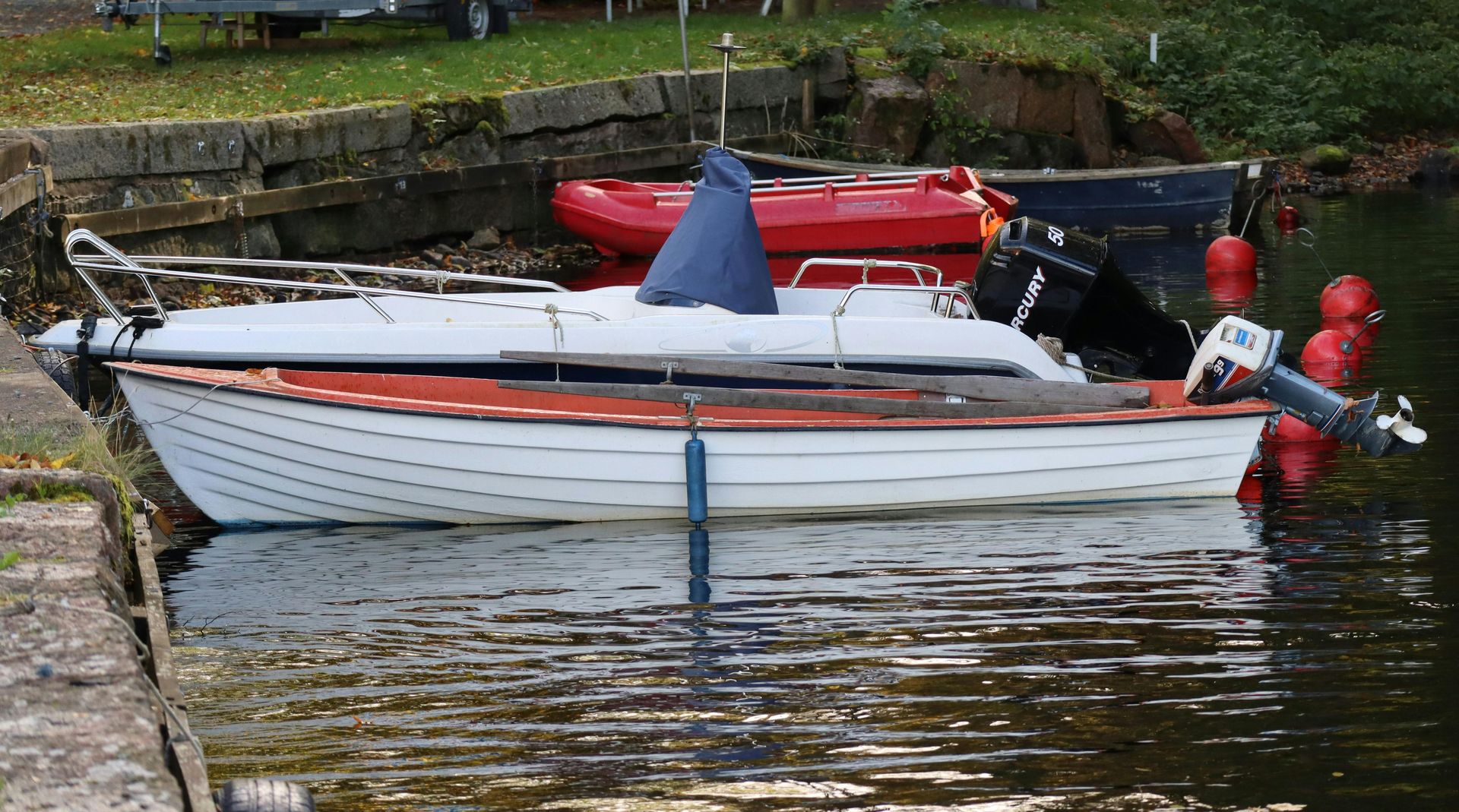
What Watercraft Policies Actually Cover
The coverage includes physical damage to your hull, motor, and permanently attached equipment from collision, sinking, fire, theft, or vandalism, along with liability protection if you injure someone or damage another vessel or dock while operating your boat. Agreed value policies pay the full insured amount if your boat is totaled, while actual cash value policies deduct depreciation, which matters significantly for older vessels where depreciation can reduce payouts by thirty to fifty percent compared to replacement costs.
When your policy is structured correctly, you'll see liability limits that match or exceed those on your auto and homeowners policies to maintain consistent protection across all your assets, physical damage coverage that reflects your boat's current market value or replacement cost, and clear documentation of named storm deductibles that apply during hurricane season. You'll also notice coverage for towing and on-water assistance, which becomes critical in Polk County's lakes where mechanical failure far from shore creates both safety risks and significant towing expenses.
Watercraft insurance covers your boat during operation, moored storage, and trailer transport, including coverage for personal effects like fishing gear and safety equipment up to policy limits. It excludes wear and tear, marine growth, manufacturer defects, and damage from lack of maintenance, and typically requires hurricane preparation protocols like hauling and securing your boat when named storm warnings are issued or imposing higher deductibles for storm damage if preparation steps aren't documented.
What Boat Owners Usually Ask
Watercraft insurance raises specific questions for Polk County boat owners unfamiliar with how coverage applies during different usage and storage scenarios throughout the year.
What is the difference between agreed value and actual cash value for boats?
Agreed value means you and the insurer establish your boat's worth at policy inception and that amount is paid if totaled, while actual cash value deducts depreciation at the time of loss; agreed value eliminates disputes over depreciation but typically costs more in premium.
How do named storm deductibles work in Florida watercraft policies?
Most policies impose a separate, higher deductible—often two to five percent of your boat's insured value—when damage occurs from a named tropical storm or hurricane, meaning a boat insured for fifty thousand dollars could carry a twenty-five-hundred-dollar storm deductible compared to a five-hundred-dollar standard deductible for other losses.
Why does my homeowners policy not cover my boat adequately?
Homeowners policies typically limit watercraft coverage to small boats under a certain length with low-horsepower motors, often capping coverage at one thousand to fifteen hundred dollars; any boat with significant value or a larger motor requires separate watercraft insurance for meaningful protection.
When is liability coverage most important for boat owners?
Liability matters most when operating in congested areas, towing water skiers or tubers, or hosting guests aboard your vessel; Polk County's popular lakes see frequent recreational use where collisions, wake damage, and towing accidents create injury and property damage claims that can reach hundreds of thousands of dollars.
What preparation is required to maintain coverage during hurricane warnings?
Insurers typically require documented steps like hauling your boat out of water, securing it in a storage facility or on a trailer with proper tie-downs, and removing canvas and loose equipment; failing to follow these protocols when warnings are issued can result in claim denials or significantly higher deductibles being applied to storm damage.
Thomas Advisory Services evaluates your watercraft value, usage patterns, and storage arrangements to recommend liability and physical damage coverage appropriate for Central Florida's lake systems and seasonal weather risks. Request a policy assessment to verify your boat and liability exposure are adequately protected in Polk County.